

Andersen Window Repair
Norco Window Repair
Marvin Window Repair
Pella Window Repair
Hurd Window Repair


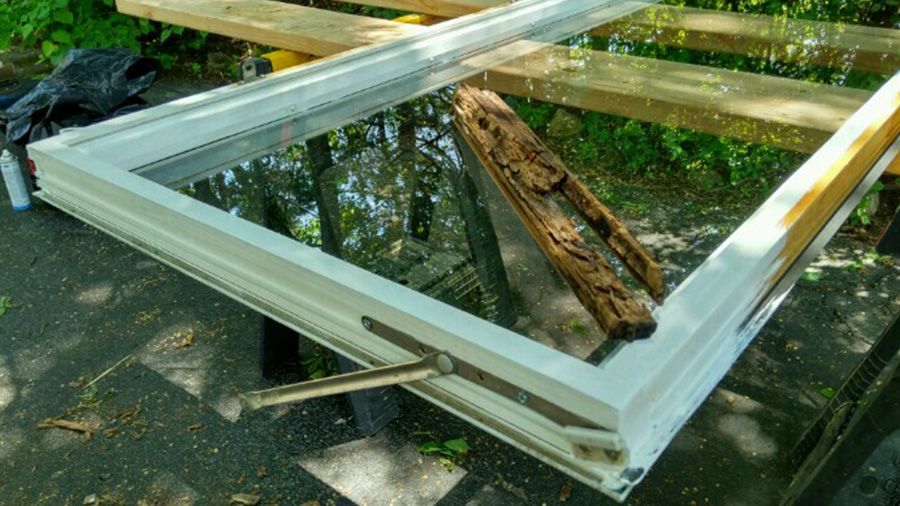
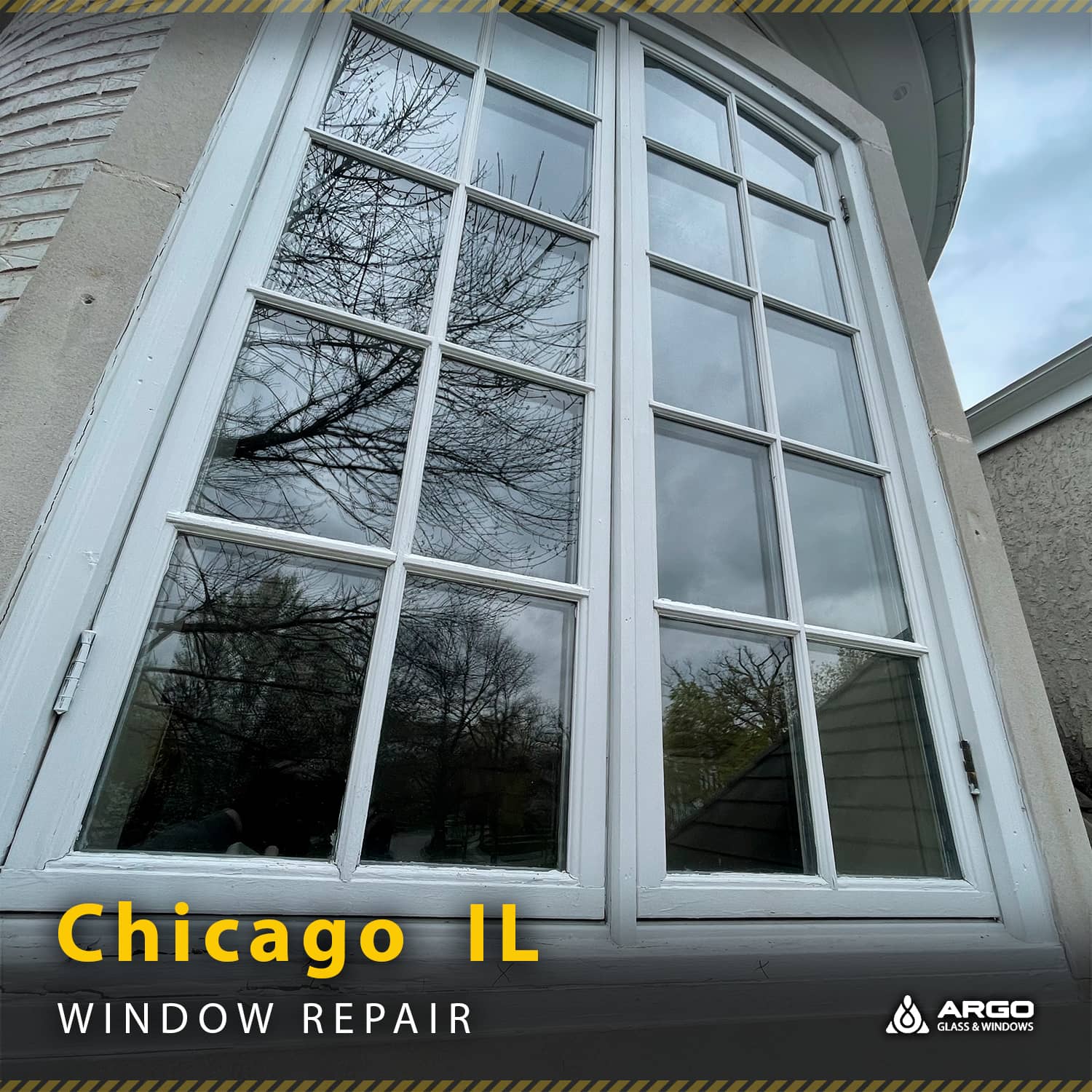
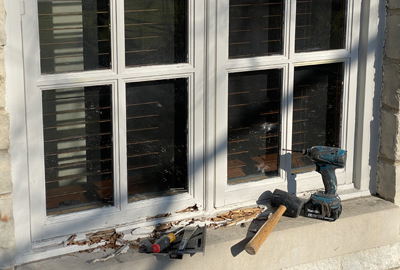
Chicago’s climate is hard on wood windows in a very specific way. Long humid summers, soaking rains, freeze-thaw cycles, and abrupt temperature swings give moisture time to sink into the frame, and rot often follows sooner than expected. Even solid, well-made units can start showing trouble: wood turns dark around the lower corners, joints begin to split, paint lifts, and some sections start to feel soft under pressure. Sometimes the damage stays limited to the sill or one part of the sash. In other cases, it travels deeper into the frame and leads to drafts, water intrusion, and wood that feels spongy instead of firm. What first looks like ordinary wear can become a bigger structural issue when it sits too long, so the right window repair service in Chicago, IL makes a real difference, especially when the goal is to preserve the strength, shape, and character of genuine wood. With window rot repair, the decayed material is cut back, the sound sections are reinforced, the weakened areas are rebuilt, and the alignment is corrected so the window opens cleanly and seals tight again.
Concerned that the repair will stand out? It shouldn’t. The right materials make a difference, but so does patience. Good work makes it possible to repair wooden windows and return the frame to a look that feels original rather than obviously patched. If the window was painted, the finish is matched and repainted so it blends naturally with the rest of the house. If the surface was stained or sealed, the closest tone is reproduced along with the finish itself, whether that lands at matte, satin, semi-gloss, high-gloss, or somewhere in between. Appearance matters, but it is only one part of the job. A proper wood window restoration also helps shut moisture out and slows the cycle that causes future decay. When the work is done well, nothing looks forced or overworked. The window simply looks right, like it has always belonged there.
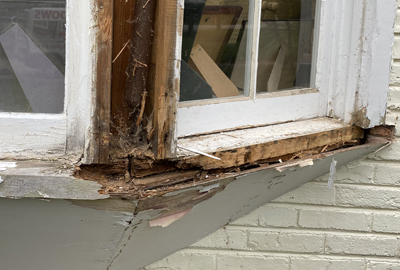
When a window has gone too long without attention, the sill is often in just as much trouble. And when that section is past saving, replacement can still stay straightforward instead of turning into a drawn-out mess. A properly handled wood window sill replacement removes the failed section and rebuilds strength in the lower frame where water tends to collect and linger. Whether the project involves focused rot repair, window sash repair, or a more extensive frame restoration, local Chicago technicians stay centered on careful workmanship that adds years to the window and protects the durability and appearance of real wood.

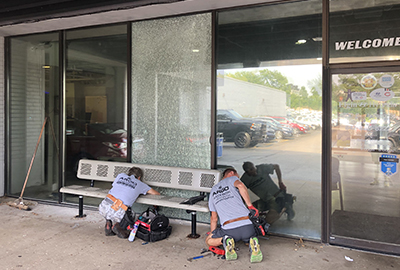
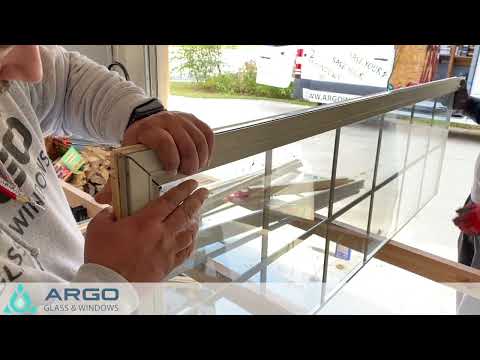
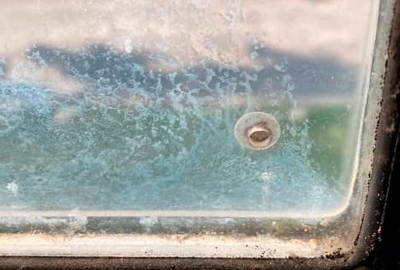
A small crack can turn into a bigger problem fast, and plenty of homeowners assume the whole window has to be replaced. That tiny break lets cold air slip in, sometimes enough to make a curtain flutter on windy nights, and then fogging or condensation starts hanging around the edge of the glass and frame. When moisture keeps sitting there, the nearby wood can take damage over time. Our proper window service handles it without jumping straight to replacement: the broken glass is removed, measurements are taken down to the exact size, the correct specs are matched, and a new glass unit is fitted so it sits tight. The window gets back to being energy-efficient without paying for work that isn’t necessary.

When wood stays wet too long, it doesn’t just look rough, it changes. It darkens, goes soft, and starts breaking down from the inside out. As rot spreads, the frame can lose strength and even crumble at corners, which affects how the window runs and how safe the opening feels. In those cases, every compromised section is cut out, solid areas are reinforced, and the rebuild is done with new wood components that are kiln-dried, milled to match the original profile, and primed for durability. The goal stays simple: a repair that’s solid, clean, and built to last, not a quick cover-up.

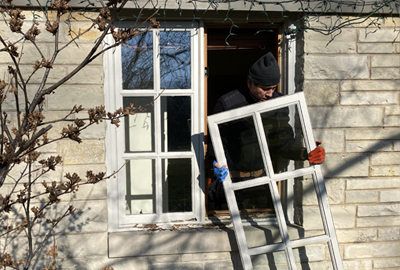
Season changes can slowly push a window out of shape, especially when one side bakes in the sun and humidity hangs in the air. The signs are hard to miss: the sash starts rubbing, corners look a little out of square, or a thin crack opens at a joint. If it’s only a tight spot, high areas can often be planed down so the window moves again. When the wood is split or too worn to trust, the damaged sections get removed and window frame replacement becomes the necessary step. After that, the opening is squared with careful shimming and secured with corrosion-resistant fasteners so the window tracks straight and closes tight again. This is the repair wooden windows need once twisting or cracking starts.

Blistered or peeling paint is more than a cosmetic issue. Once wood is exposed, UV and moisture get in quickly, and rot shows up sooner than most people expect. Loose layers are stripped off, the surface is sanded smooth, a bonding primer is applied, and everything is finished with durable exterior-grade coatings that hold up to real weather. This preventative step is often part of wood window rot repair and helps protect the structure before bigger damage sets in.

When a cold draft shows up by a window in winter (or warm air sneaks in during summer), the cause is usually pretty simple: weatherstripping that’s worn down, a few small gaps in the frame, or wood that’s dried out and shrunk a bit. Sometimes it even comes with a faint whistle on windy days. Compression seals get swapped for new ones, the stops are reset, and the main joints are sealed during a proper window service so the leak is actually gone. This kind of work often pairs with broken window repair and brings insulation performance back to where it should be.

Water getting in around a window doesn’t stay "small" for long. Stains can show up on drywall, trim can swell, and the sill can stay damp after rain until it starts to break down. The first step is finding the exact entry point, not guessing and smearing caulk everywhere. Once the path is clear, joints get resealed with elastomeric materials, and protection like flashing or a sill-pan setup gets added when it fits the situation. That’s the difference between a quick patch and leaking window repair that keeps rain where it belongs, outside.

When a window won’t open, the usual reasons are paint built up over the years, grit packed into the tracks, or wood that has swollen, warped, or shifted. Many homeowners try cleaning the tracks first, and sometimes that helps. But when the wood has moved, it takes a real repair. Hardened paint gets removed, channels get cleaned out, damaged sections get replaced when needed, and the sash is reset so it slides smoothly again without a fight.

Broken springs or frayed cords can make a window annoying at best, and unsafe at worst. The fix is installing properly sized balances, setting the tension carefully, then cycle-testing until the window holds steady at any height. It’s a core part of window repair services when the goal is a window that’s safe and easy to use again.

When a window goes in out of square (or the shimming gets rushed), the signs show up fast: rattling, drafts, and gaps that look uneven from one side to the other. The opening gets squared back up, the sash gets rehung on true vertical lines, and the perimeter gets sealed so the close is snug and quiet. This kind of precise adjustment is often part of wood window repair when the fit was off from day one.
| Problem | Pricing Estimate (Including Labor) |
|---|---|
| Window Hardware Repair Issues with handles, locks, hinges, or latches can make windows difficult or unsafe to use. The final price depends on how complex the hardware system is and what needs to be fixed or replaced. |
$75 – $500 |
| Window Alignment Adjustment If your window sticks, won’t close properly, or feels off-track, it likely needs realignment or minor part replacements to restore smooth operation. |
$50 – $500 |
| Sash Repair & Reinforcement Damaged or warped sashes can affect both function and insulation. Repairs may include strengthening the frame or replacing specific sections. |
$400 – $700 |
| Window Sill Restoration Window sills often suffer from moisture exposure, leading to cracks or decay. Depending on the condition, the fix can be as simple as sealing or as extensive as a full replacement. |
$200 – $700 |

Window sashes take abuse year after year, so sooner or later the work usually comes down to sash repair or full replacement. When the sash starts showing darkened wood, soft spots near the corners, or decay around the lower rail, bringing in a professional for home window repair Chicago and sash replacement makes sense. Window sash repair centers on the moving part of the window that holds the glass and keeps the unit working the way it should. That may involve a classic wood sash, a casement sash, or a newer style with a different profile. The goal stays practical: keep the original character of the window while avoiding unnecessary cost. Each sash is inspected on its own condition, then the right fix is chosen, whether that means rotted window sash repair or a full sash replacement to bring the window back into proper shape.

Window sills wear down slowly, then all at once. Years of rain, sun, condensation, and everyday use can leave the wood soft, stained, or starting to break apart, and at that point sill replacement may be the right call. A professional broken house window sill repair service should first determine how far the damage goes, then repair or rebuild the area with materials and methods made for long-term exposure. In residential work, that may include upvc window repair, broken window sill repair, and replacement of sill components with moisture-resistant materials that are less likely to fail again. A rotted sill should not be ignored. Once that section weakens, drafts, leaks, and larger framing issues often follow. Taking care of rotted window sills through house window repair in Chicago, Illinois helps protect both the appearance of the home and its energy performance.

Brick molding and exterior boards do more than finish off the look of a window. They help keep water out and support the outer structure around the opening. With enough exposure to wet weather, sun, and rot, those parts start to deteriorate, and once they do, both appearance and performance take a hit. If the boards are soft, cracked, or pulling away, a local window repair company is usually the right place to handle the repair before the damage spreads farther. When a skilled window fixer is needed for rotted window repair, house window repair Chicago can cover the damaged exterior components, rebuild the weak areas, and restore a cleaner, more solid finish. The same approach also applies to broken house window repair when the goal is to get the window looking right again and working the way it should.
Wood storm windows are often worth saving, especially in Chicago, where strong wind, humidity, and seasonal freeze-thaw swings keep working the joints and glazing lines year after year. Once a storm window starts rattling during gusts, dragging on humid days, or letting a draft slip in around the perimeter, broken window repair usually comes back to the parts that fail first: softened rails and stiles, loosened corners, glazing putty that has cracked apart, and sash edges that have swollen enough to stop seating tightly against the primary window.
In this kind of work, decayed wood is cut out carefully, weakened areas are rebuilt, and the frame is brought back into square so the unit closes properly again, not just well enough to get by. That is a big part of durable home window repairs. After that, the glass is reset, fresh glazing is applied, worn weatherstripping is replaced, and the exterior is sealed and finished to help keep future moisture from getting back in. Done correctly, restoring a storm window can make a noticeable difference in how tight the house feels and how much air slips through. The U.S. Department of Energy notes that storm windows can serve as an air-sealing measure and reduce overall home air leakage by 10% or more. In older houses, a properly fitted storm can also help original wood windows perform better than some newer metal units without thermal breaks, and window screen installation can complete the setup so the window can stay open without inviting insects inside.

Storm windows can make a noticeable difference in Chicago once wind and freeze-thaw cycles start beating up older frames. A tight storm adds a buffer that helps cut heat loss, lowers energy use, and takes the weather hit so the primary window does not get worn down season after season. Practical three-track and two-track aluminum storms are a common choice because they run smoothly and hold up, and historic homes often do better with custom wood storm inserts that keep the original look while adding insulation. Careful measurements keep the fit tight, limit drafts, and stop moisture from sneaking in around the perimeter, which is where plenty of window repairs end up failing. The change usually feels quick: steadier room temperatures and less outside noise.

When a storm window is badly bent, twisted, or simply worn past the point of adjustment, it can cause real trouble. Gaps open up, rattling gets worse, and the primary window stops getting the protection it needs. Repair comes first when it still makes sense, but if the unit is too far gone, replacement is the practical move with new storms matched to the home’s style and how the window is used. Modern replacements can improve UV protection, weather resistance, and noise reduction, and they usually outlast older units that have been patched over and over. The main payoff is protection: the primary window stays safer, and the house stays more comfortable through Chicago’s shifting seasons.
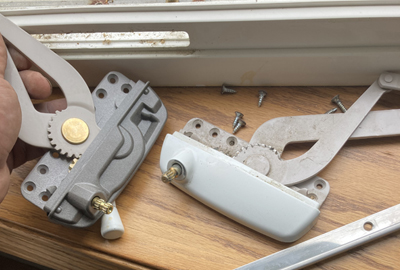
Wobbly handles, loose locks, and hinges that squeal aren’t just a nuisance. Drafts start sneaking in, moisture shows up after a rain, and a window can become easier to force. Worn hardware also pushes and pulls on the frame and sash in all the wrong ways, so a quick adjustment can turn into a bigger repair if it keeps getting ignored. Small pieces really can cause big headaches, like a sash that won’t latch, refuses to tilt in, or chatters on windy days.
Below are the hardware problems that show up most during house window repairs, and what regular maintenance does to get everything closing and moving the way it should.

When the cam won’t catch or the strike plate drifts out of position, the sash won’t pull in tight. Profile-matched, rust-resistant parts get installed, the keeper gets lined back up, and the lock is set so it clicks cleanly and works smoothly with one hand. This kind of fix often comes up during window renovation when the goal is a secure close that stays consistent.

Stripped screws or a cracked lever can make every open-and-close feel like a wrestling match. Worn parts get replaced, fresh fasteners go in with thread treatment so they hold, and a comfortable handle gets fitted so it turns without sticking. Simple work, but it brings back normal daily use and restores window function.

Once hinge arms start sagging, the sash drags, weatherstripping gets torn up, and a gap can appear at the top corner. Heavy-duty hinges get swapped in, the jamb gets shimmed back straight, and the window is checked through the full swing so it runs quiet and stays lined up. That’s the kind of residential window repair that fixes the problem without the grind.

When balances quit, a sash can slam shut or slowly sink by itself, and that’s a bad setup around kids or pets. Brand-matched coil or block-and-tackle balances get sized and installed, lift force gets dialed in, and the sash gets tested so it holds steady at every height. This often goes along with frame work, and it commonly comes up when repairing wooden windows where parts are worn, shifting, or starting to feel loose.

When gears bind or seize, casement and awning windows can stick half-open or won’t move at all. The track gets cleaned, a factory-spec operator is seated correctly, pivot points get lubricated, and full ventilation comes back without grinding or grabbing. A straightforward fix, done right, as part of careful house window repair.
| Hardware Type & Description | Price Range (Including Labor) |
|---|---|
| Casement Window Hand-Crank Durable crank system designed for smooth and effortless opening of casement windows. Over time, wear can affect performance, so timely servicing or replacement helps keep operation easy and reliable. |
$150–$450 |
| Awning Window Opening Device Mechanism that allows awning windows to open outward properly. Periodic replacement ensures steady performance and prevents issues with opening or closing. |
$150–$350 |
| Horizontal Sliding Window Security Lock Specialized locking system built to secure sliding windows. Replacing worn or damaged locks restores safety and ensures the window functions as intended. |
$20–$150 |
| Tilt Window Pivot Shoe Replacement Key component that supports and stabilizes the sash in tilt windows. Replacing it in time helps maintain smooth movement and avoids operational problems. |
$20–$150 |
| Double Hung Window Balancer Device Mechanism responsible for keeping window sashes balanced during use. Installing a new balancer improves reliability and prevents difficulties when opening or closing the window. |
$150–$350 |
Repairing or replacing worn hardware brings back smooth operation and bumps up security. The window closes tighter, seals better, and feels solid again. When a part is too far gone to hold an adjustment, a profile-matched replacement makes the most sense so the fix actually lasts, especially on older windows where the hardware has been stressed for years.
As part of residential window repair, most hardware issues can usually get handled in one visit. Service vehicles carry the common parts, and anything more specific gets matched with proven materials so the job doesn’t stall on guesswork.


Different window materials fail in different ways, so the repair approach has to match the system.

Vinyl

Fibrex

Aluminum

Vinyl windows usually hold up well, but Chicago weather still takes its toll. After a few tough seasons, the frame can shift just enough to feel a little off. A seal can fail and haze or moisture shows up between the panes. Hardware can also start wearing down. The sash stops sitting quite right, the lock needs a second try, and the window doesn’t glide the way it used to. In many cases, this is the point where vinyl window repair makes more sense than replacement.
Most of the time, the whole unit doesn’t need to be pulled out. The fix is often an adjustment, a reseal, or swapping a worn part. A solid inspection usually lands on the real cause, maybe a loose balance, a tired latch, or a small gap that pulls cold air inside on windy days. Those trouble spots get addressed, the sash gets squared up, and everything gets tightened back down. The window settles back into normal, often in the same visit that handles broken window repair. Quieter. Warmer. Reliable again. Replacement usually only makes sense when the frame itself can’t be trusted anymore. Until then, repair is the practical move.

Composite units are tough, but the usual wear still shows up over time. Seals can weaken, then moisture appears where it shouldn’t, insulation drops, and the room starts feeling uneven. Window restoration can help in that stage. Hardware follows a similar pattern. Locks stop catching cleanly, hinges loosen, balance systems lose that smooth feel, and the sash starts needing a bit of force.
Waiting for a full failure rarely pays off. Earlier service helps the unit keep its shape longer, and the bill usually stays smaller. The right repair starts with an inspection, not guesswork. A local house window repair company checks looseness and wear points, restores sealing, replaces only what actually failed, and adjusts the sash until operation is consistent again, the same mindset used in detailed sash window repair. The goal stays simple: keep what’s still strong, fix what’s slipping, and extend the unit’s life without pushing replacement. If the structure truly isn’t reasonable to repair, then a new window installation becomes the next step.

Aluminum is sturdy, but problems can still build over time. Seals wear out and drafts start showing up. Frames can pick up dents, oxidation, or corrosion that ruins the finish and, in some cases, weakens the unit. Window restoration can address those issues before they turn into bigger damage. Hardware can fail too. Locks get stiff, hinges loosen, rollers wear down, and opening the window starts feeling like work.
With professional service from a local home window repair company, a lot of these issues can be handled without full replacement. Seals can be restored, security tightened up, and the look cleaned up in one focused visit. Results usually show up fast: tighter seals cut heat loss, repaired latches feel more secure, and a refreshed frame looks clean again. In most cases, it costs far less than starting over. Hardware gets handled in detail, repairing or replacing locks, handles, hinges, and rollers so the window moves smoothly again. If repairs aren’t enough anymore, replacing the unit with a new aluminum window is still a solid upgrade, durable, low maintenance, and built to stand up to harsh weather.
Local service is not just a line on the page. It shows up in the way the work gets handled, from smaller fix window calls to more involved restoration jobs that need extra care to be finished the right way. Different window styles, different materials, different levels of wear, but the approach stays steady: real field experience, careful hands, and repair decisions based on what the window actually needs. That includes house window repair across older wood units, newer replacements, and openings where frame replacement becomes part of the scope.
Service also reaches well beyond Chicago into the surrounding area. Bridgeview, Elmhurst, Norridge, Niles, Skokie, Rogers Park, Roseland, Blue Island, and other nearby communities within a reasonable drive are all part of the regular service range, including jobs that call for frame replacement. If the property is near Chicago, service is often close enough to make the trip.