

Andersen Window Repair
Norco Window Repair
Hurd Window Repair
Marvin Window Repair
Pella Window Repair


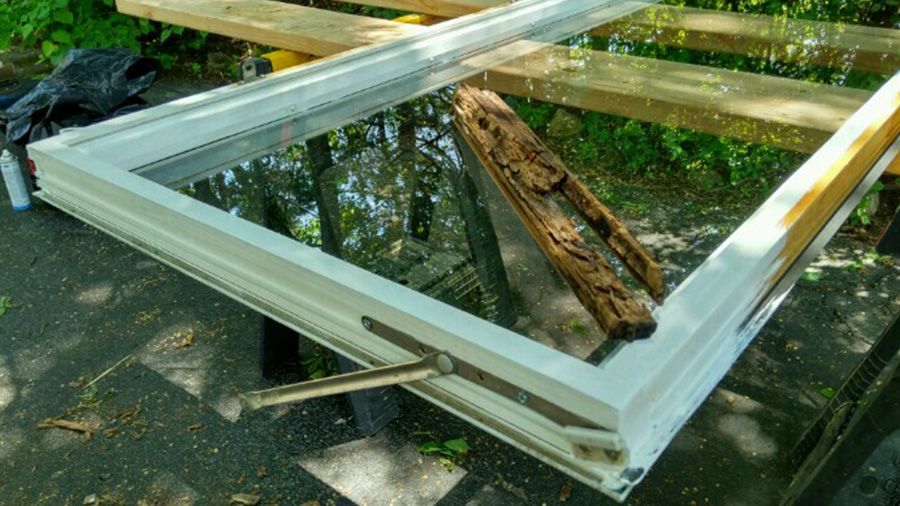
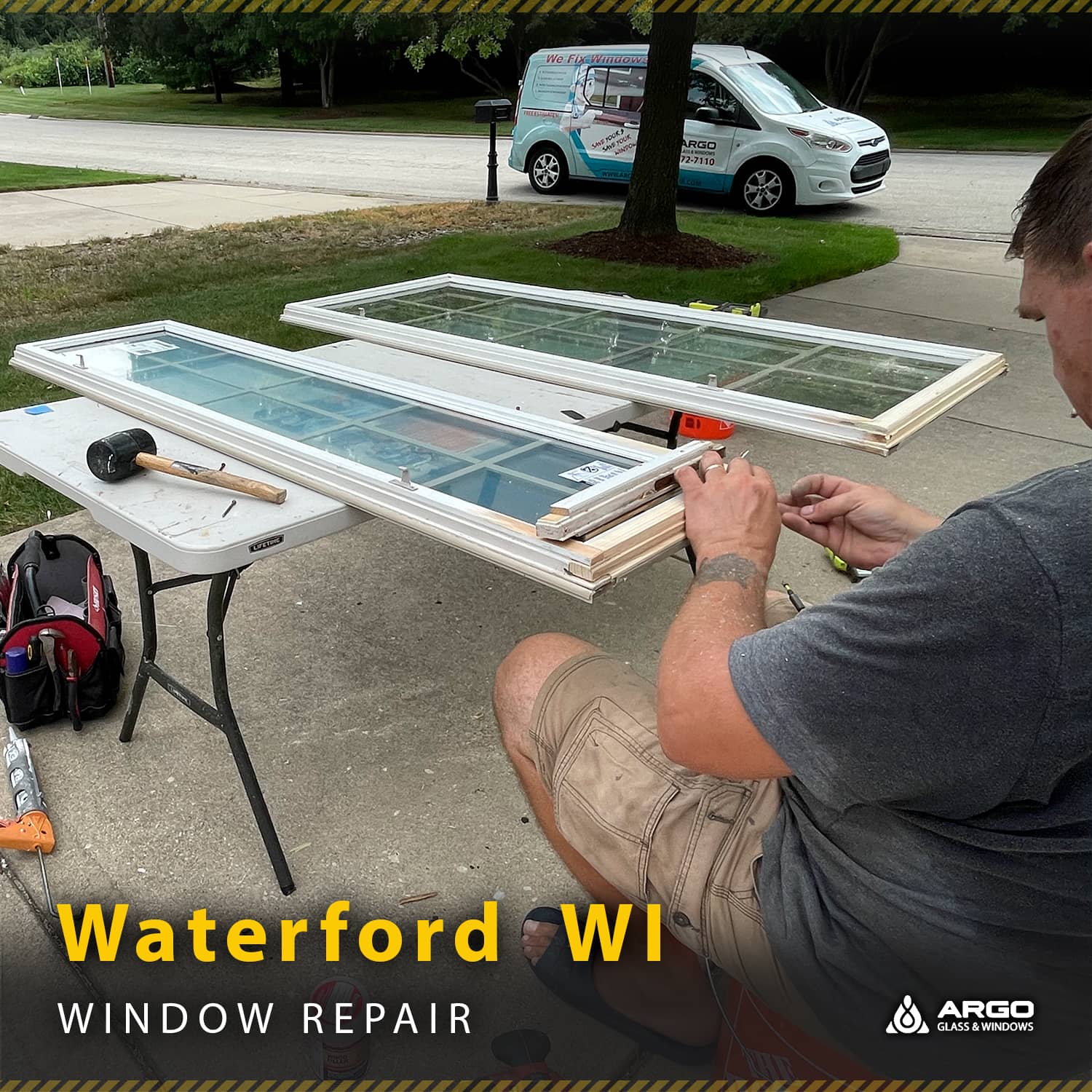
Waterford weather is hard on wood windows. Hot, humid summers, heavy rain, and big temperature swings (then freezing winters) push moisture deep into the frame, and rot usually follows sooner or later. Even a well-built wood window can start to soften up, go dark in a few spots, or crack where the joints meet. Sometimes the damage is limited to part of the sash or the sill. Other times it spreads into the frame and leads to leaks, drafts, and wood that feels spongy with a thumb press. What looks like simple surface wear can turn into a real structural issue if it sits too long, so a solid window repair service in Waterford, WI makes a difference, especially when the goal is keeping the strength and character of real wood. With window rot repair, the decayed wood is cut out, the solid areas are reinforced, anything that needs rebuilding gets rebuilt, and alignment is reset so the window opens smoothly and seals tight again.
Concerned the repair will be easy to spot? It won’t. Good materials are used, and the work is done carefully so the frame comes back to a clean, original look. Painted windows get color-matched and repainted to blend with the rest of the house. Stained or sealed windows get the tone matched as closely as possible, along with the finish, whether it’s matte, semi-gloss, high-gloss, or somewhere in between. Looks aren’t the only goal, though. Proper wood window restoration also helps keep moisture out and slows future rot. When it’s handled right, nothing looks out of place. It just feels like the window belongs there.
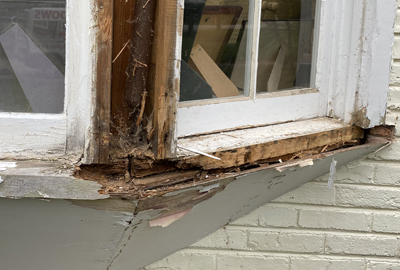
When a window has been ignored for too long, the sill is often in rough shape too. If it’s too far gone to save, the sill can be replaced without turning the whole job into a hassle. A properly done wood window sill replacement removes the weak spot and strengthens the lower part of the frame where water likes to sit and paint tends to bubble. Whether the job is targeted rot repair, window sash repair, or a full window frame restoration, our local Waterford technicians stick to careful workmanship that stretches the life of the windows and keeps the strength and look of real wood.

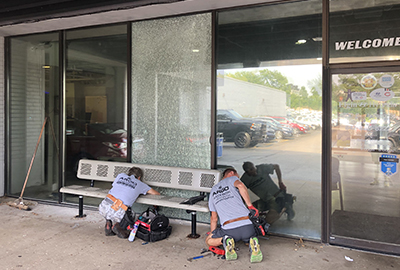
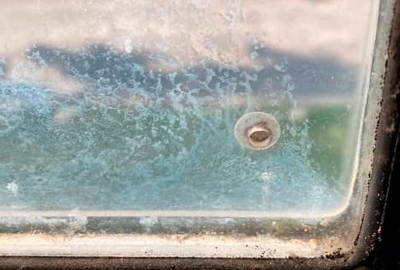
A small crack rarely stays small. It spreads, and it’s easy to assume the whole window is done. Meanwhile that break lets cold air slip in, and then fogging or condensation starts showing up around the glass and along the frame. When moisture keeps hanging around, the nearby wood can start to swell, soften, or get stained over time. A full replacement usually isn’t necessary. Window service can take care of it the right way: the damaged glass comes out, everything gets measured precisely, the correct specs are matched, and a new glass unit is set in place so it fits clean and tight. The window is sealed up again and performs like it should, without paying for work that isn’t needed.

When wood stays wet too long, it doesn’t just look rough, it changes. It turns darker, gets soft to the touch, and starts breaking down. As the rot moves, the frame can lose strength and even crumble in spots, which affects how the window opens and closes and how secure it feels. The fix isn’t a quick patch. Every compromised section is cut out, then rebuilt with new wood that’s kiln-dried, milled to match the original profile, and primed so it holds up. The point is simple: a repair that’s solid and clean, not something that hides the problem for one more season.

Season changes can slowly pull a window out of shape, especially when one side takes full sun and the air stays humid. It shows up as a sash that rubs, corners that look slightly out of square, or a joint that starts opening with a thin crack. If it’s just a tight spot, the high areas can often be planed down and the window starts moving again. But when the wood is split or worn to the point it can’t be trusted, the damaged sections get removed and window frame replacement becomes the smart move. After that, the opening is squared up with careful shimming and locked in with corrosion-resistant fasteners so the window tracks straight and closes the way it should. That’s the kind of work wood windows need once twisting or cracking sets in.

Blistered or peeling paint isn’t just about looks. Once bare wood is exposed, sun and moisture get in fast, and rot can start earlier than expected. Loose layers are stripped, the surface is sanded down, bonding primer goes on, and then it’s finished with exterior-grade coatings built for real weather. It’s a preventative step that’s often part of wood window rot repair, and it helps protect the structure before bigger damage takes hold.

When cold air shows up around a window in winter (or hot air sneaks in during summer), the cause is usually simple: wood that has shrunk, weatherstripping that’s worn down, or small gaps that opened up around the frame. Sometimes it’s only noticeable on windy days, sometimes there’s a faint whistle near the meeting rail. Compression seals get replaced, stops are reset, and the key joints are sealed so the leak is gone. This kind of work often overlaps with broken window repair and brings the insulation back to where it should be.

Water getting in around a window can stain drywall, swell the trim, and leave the sill damp long after a storm. The first step is finding the exact entry point, not guessing and smearing caulk everywhere. Once the path is pinned down, joints are resealed with flexible elastomeric materials, and protection like flashing or a sill-pan setup is added when it makes sense. That’s what separates a quick patch from a real leaking window repair that keeps rain where it belongs, outside.

When a window won’t open, the usual culprits are paint buildup, grit packed into the tracks, or wood that has swollen or warped. Cleaning the tracks is worth trying, but once the sash has shifted, it needs a proper fix. Old hardened paint gets removed, the channels are cleaned out, damaged areas are repaired if needed, and the sash is reset so it slides smoothly again without forcing it.

Broken springs or frayed cords turn a window into a constant hassle, and it can be unsafe too. With handyman window repair, the balances are sized correctly, installed, tensioned carefully, and cycle-tested until the sash holds at any height without creeping down. It’s a common part of window repair services when the goal is a window that’s easy to use and stays put.

When a window was installed out of square (or the shimming was rushed), the signs show up fast. Rattling, drafts, uneven gaps, and a sash that never quite feels right. The opening gets re-squared, the sash is rehung on true verticals, and the perimeter is sealed so it closes snug and quiet. It’s the kind of precise adjustment that often comes up in wood window repair when the fit was wrong from the start.
| Problem | Estimated Cost (Labor Included) |
|---|---|
| Glass Replacement (Standard Shape) Typically due to aging seals, impact damage, or natural wear. Standard glass shapes are economical and easy to replace. |
$300 – $800 |
| Custom Glass Replacement Irregular-shaped glass requires precise custom fabrication, significantly increasing costs. |
$500 – $1,500 |
| Repairing Damaged Hardware Includes broken locks, handles, hinges, or latches hindering window usability. Prices vary by type and complexity. |
$75 – $500 |
| Window Alignment Adjustment Misaligned windows often require realignment or component replacement for proper functionality. |
$50 – $500 |
| Sash Restoration Warped or loose sashes negatively impact window operation. Repairs involve reinforcement, securing, or part replacement. |
$400 – $700 |
| Sill Repair Continuous moisture exposure causes deterioration or cracking. Repairs range from minor sealing to complete replacement. |
$200 – $700 |

Window sashes naturally degrade over time, often requiring sash repair or complete sash replacement. If you detect wood decay or notice operational issues, it’s vital to seek professional home window repair in Waterford, Wisconsin. A sash repair involves restoring the movable portion of your window that holds the glass panes in place. Whether you have a classic wooden sash window, a modern casement style, or another type, choosing local repair is an excellent way to retain the character of your home. Our experienced technicians assess the condition of your sash and recommend either rotted sash repair or replacement to restore its full functionality.

Daily exposure to the elements can cause window sills to deteriorate, making sill replacement or repair necessary. Our broken house window sill repair service begins with a thorough evaluation of damage, followed by expert restoration or replacement using durable, moisture-resistant materials. This approach prevents additional issues like structural weakening, drafts, or moisture infiltration. By opting for rotted window sill repair in Waterford, Wisconsin, you help maintain energy efficiency, curb appeal, and the long-term integrity of your home.

Brick molding and exterior boards are integral in shielding your home from water penetration and reinforcing structural stability. However, adverse weather conditions, wood rot, and routine wear can degrade these components over time, diminishing both appearance and functionality. If you’re dealing with damage or rot, a professional repair ensures your home’s curb appeal and prevents larger structural concerns. Our company provides reliable home window repair in Waterford, Wisconsin, including rotted window component restoration. Reach out to our local team for broken house window repair services that will keep your windows looking and functioning like new.
Nothing beats letting that Wisconsin breeze roll through the house. But once a screen gets a tear, a bent corner, or a frame that won’t sit right, “fresh air” comes with bugs and the kind of debris nobody asked for. Ripped mesh, warped frames, or airflow that suddenly feels choked off are all common triggers. Window screen repair services in Waterford, WI handle the full range, including rescreening when the frame is still solid. And when replacement is the better call, window screen installation makes sure everything sits square, stays tight, and seals the opening the way it should. Windows stay open, pests stay outside. Simple as that.

It doesn’t take much. A pinhole or small rip is enough for insects, pollen, and dust to start drifting in, and sometimes the screen even sags or pops out of the track. Mesh replacement fixes that fast. New material is stretched tight and set clean so it looks sharp and stays put. If the frame is fine but the fit is sloppy, or the track is the real issue, window screen repair in Waterford covers that too so tension and alignment are right again. With professional rescreening in Waterford, WI, the mesh can match how the house is actually used: Standard Screen for everyday use, BetterVue for a clearer view, or PetScreen for cats or dogs that lean and claw at the screen. Options like AllergyGuard and Solar Screen are also available for extra help with allergens and UV. Fresh mesh improves airflow, keeps the view clear, and makes the screen feel “right” again instead of flimsy.

Old wood screens can warp, get rough at the corners, or just look worn out, and that drags down both performance and curb appeal. Switching to aluminum solves a lot of that. Aluminum frames resist moisture, don’t sag the same way, and handle Waterford’s season changes without constant tweaking. For professional screen work, each opening is measured and aluminum frames are built to fit properly, not close enough. The finish looks clean, maintenance stays low, and the screens hold up.

When screen repair in Waterford keeps coming up because everything is worn out across the board, full replacement is usually the easiest route. New custom screens are made to the exact dimensions so they slide in smoothly and sit tight in the opening, and window screen installation is handled so nothing racks or rattles. The small details matter here. Corner colors can be matched, sturdy pull tabs added, and spring plungers used where needed so removal and reinstall is easy. Looking for an upgrade? UltraVue gives a noticeably clearer view, and Solar Screen can cut glare and help with heat gain. New window screens bring back good airflow, make the windows look finished again, and keep day-to-day comfort where it should be.
Wood storm windows are usually worth fixing, especially in Waterford where wind and summer humidity keep stressing every joint and glazing line. When a storm window starts rattling on windy days, sticking when the air gets heavy, or letting in a little draft around the edges, the problem is often in the same places: rails and stiles turning soft, corners loosening up, old putty cracking, and sash edges swelling so the storm no longer sits snug against the main window. Bubbled paint along the bottom rail or dark, spongy wood near a corner is a common giveaway too.
Rotten sections get cut out cleanly, weak areas are rebuilt, and the frame gets squared back up so it shuts the way it should, not “almost.” That’s a big part of a proper window repair. After that, the glass is set back in, the window is re-glazed, worn weatherstripping is swapped out, and the whole surface is sealed and finished to keep moisture from creeping in again. Done right, a rebuilt storm window can tighten up the house and cut air leakage (the U.S. Department of Energy notes storm windows can act as an air-sealing measure and reduce overall home air leakage by 10% or more). On older homes, a storm that fits well can also help original wood windows work better than some newer metal units that lack thermal breaks. Adding a screen to the setup is a simple finishing touch, letting fresh air in without bugs taking over.

Storm windows can make a noticeable difference in Waterford, especially once wind and freeze-thaw cycles start chewing on older frames. A well-fitted storm creates a buffer that helps reduce heat loss, lowers energy use, and takes the beating from the weather so the main window doesn’t get hammered year after year. For homeowners who want a window fix that holds up, sturdy two-track and three-track aluminum storm windows get installed. They’re easy to use and built for real protection. For historic homes in Waterford, custom wood storm inserts keep the original look while still adding insulation. Laser-accurate measurements keep the fit tight, cut down drafts, and help stop moisture from sneaking in around the edges, which is where a lot of repairs fall apart. The change is usually obvious pretty quickly. Rooms feel more even, and outside noise often drops as well.

Cracked or broken storm glass isn’t just an eyesore. It lets the storm stop doing its job. Insulation drops, condensation gets heavier, and moisture can start soaking into the frame and sill. Damaged panes get replaced with quality, energy-efficient safety glass, then the frame is resealed the right way so it stays tight. As part of storm window repair and replacement, this brings back clear visibility, better efficiency, and a cleaner look overall. Taking care of the glass early can also head off bigger problems later, like rot around the stops or water staining that keeps coming back.

When a storm window is badly warped, bent, or simply beyond saving, real damage can follow. Gaps open up, it rattles constantly, and the primary window loses the protection it’s supposed to have. Repair is still the first option when it’s reasonable, but if the unit can’t be brought back, full replacement gets handled with new storm windows that match the home’s style and how the window is used day to day. Modern replacements can improve UV protection, weather resistance, and noise control, and they tend to outlast older units that have been patched over and over. The main benefit is straightforward: the primary window stays protected, and the house stays more comfortable through Waterford’s changing seasons.
Loose locks, wobbly handles, and hinges that groan aren’t “just annoying.” They can pull the window out of a tight close, let drafts and moisture creep in, and make the unit easier to force. Bad hardware also loads the sash and frame in all the wrong ways, so a small fix can turn into bigger repair work if it gets ignored. Tiny parts really do cause big headaches, like a sash that won’t tilt in, won’t latch, or starts rattling when the wind picks up.
Below are the hardware issues that show up most often during house window repairs, and how window maintenance services get things opening, closing, and locking the way they should.

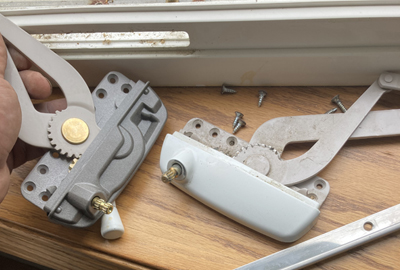
When the cam won’t grab or the strike plate has shifted, the sash won’t pull in tight. Profile-matched, rust-resistant parts are installed, the keeper is realigned, and the lock is set up so it clicks cleanly and works with one hand. It’s a common fix during larger window renovation when the goal is a secure close and consistent performance.

Stripped screws or a cracked lever makes every open-and-close feel like work. Worn parts are replaced, new fasteners go in with thread treatment so they hold, and an ergonomic handle is fitted so it turns smoothly. It’s a straightforward way to bring the window back to normal daily use.

When hinge arms start sagging, the sash drags, seals get chewed up, and a gap can show up at the top corner. Heavy-duty hinges are swapped in, the jamb is shimmed back true, and the window is tested through the full range so it moves quietly and stays aligned. That’s the kind of residential window repair that restores function without the grind.

When balances fail, a sash can slam shut or slowly sink on its own, and that’s not something anyone wants around kids or pets. Brand-matched coil or block-and-tackle balances are sized and installed, lift force is set correctly, and the sash is tested so it holds steady at every height. This often ties in with window frame repair and comes up a lot on wood windows when parts are worn or shifting.

When gears seize, casement and awning windows get stuck half-open or won’t move at all. Tracks are cleaned, a factory-spec operator is seated correctly, pivot points are lubricated, and full ventilation comes back without grinding or binding. It’s a clean fix that makes the window usable again.
| Hardware Type & Description | Price Range (Including Labor) |
|---|---|
| Casement Window Operator Crank Durable manual device designed for easy operation of casement windows. Replace promptly to avoid functional difficulties or stiffness. |
$150-$450 |
| Awning Window Opening System Mechanism enabling awning windows to swing outward smoothly. Regular replacement ensures continued operational reliability and user convenience. |
$150-$350 |
| Horizontal Sliding Window Lock Device Secure latch system tailored for horizontal windows. Replacement recommended to restore security if the mechanism fails or becomes loose. |
$20-$150 |
| Pivot Shoe Stabilizer for Tilt Windows Small yet crucial hardware stabilizing window sashes. Immediate replacement recommended to ensure consistent functionality. |
$20-$150 |
| Double Hung Window Balance Hardware Device providing balanced and effortless sash movement. Replacement recommended immediately to prevent operational difficulties. |
$150-$350 |
Repairing or replacing worn hardware brings back smooth operation and improves security. The window closes tighter, seals better, and feels solid again. When a part is too worn to hold an adjustment, a profile-matched replacement is the practical move so the fix actually lasts, especially on older windows that have been stressed for years.
As part of comprehensive residential window repair services, most hardware problems can usually be handled in one visit. Service vehicles are stocked with common parts, and when something specific is needed, proven materials are used so the job doesn’t get stuck waiting on guesswork.

Most homeowners want two simple things: the repair done properly, and the same issue not showing up again. That’s the mindset on every job in Waterford, whether it’s a quick window fix or a bigger structural problem. Residential window repairs get handled start to finish in one place, including wood window restoration, window frame replacement, and the alignment work a lot of crews skip because it takes time. No bouncing between trades, no chasing callbacks, and no “temporary” patch that gives up the next time the weather flips. The work starts at the real cause, not the surface symptom. A local window repairman finds where water is getting in, straightens a frame that’s shifted, replaces tired seals or balances, and rebuilds weak sections when rot is part of the problem, including rotted window repair. Signs like a damp sill, soft dark wood at the lower corners, or a sash that keeps sticking are usually there if it’s been going on a while. From there, everything gets checked for how it actually runs: the sash should slide without fighting, the seal should feel snug, and the lock should catch cleanly on the first try. If foggy panes or moisture between the glass shows up, insulated glass replacement is included as well. As a certified Andersen contractor and a certified Cardinal IGU dealer, factory-sealed IGUs are installed with a 20-year glass warranty, using premium ISO/ISO-certified sealants meant to last. In Waterford, appointments stay on track, the home gets treated with care, and rescreening in Waterford is available when screens need help. The goal stays the same every time: a repair that looks right, works right, and holds up.


Vinyl

Fibrex

Aluminum

Vinyl windows usually hold up well, but Waterford weather still wears on them. After a few rough seasons, the frame can shift just enough to feel a little off. Sometimes a seal fails and haze or moisture shows up between the panes. Other times it’s the hardware getting tired. The sash doesn’t sit quite right, the lock needs a second try, and the window stops gliding the way it used to. In a lot of cases, that’s exactly where vinyl window repair is the smarter move instead of tearing the whole thing out.
Most of the time, the unit doesn’t need to come out. It needs the right adjustment, a reseal, or one worn part replaced. A good inspection usually points straight to the real problem: a loose balance, a weak latch, or a small gap that keeps pulling cold air in on windy days. Those spots get fixed, the sash is squared up, everything is tightened back down, and the window is back to normal, often during the same visit that takes care of broken window repair. It runs quieter. It holds temperature better. It feels predictable again. Replacement only starts making sense when the frame can’t be trusted anymore. Until then, repair is usually the practical call.

Composite units are tough, but they still wear like anything else. Seals can weaken, then moisture shows up where it shouldn’t, insulation drops, and the room starts feeling uneven from one side to the other. Hardware follows the same pattern. Locks stop catching cleanly, hinges loosen up, balance systems lose that smooth feel, and the sash starts taking a little effort to move.
Waiting for a full failure rarely pays off. Earlier service helps the window keep its shape longer, and it usually costs less than letting things snowball. The right repair starts with an inspection, not guesswork. A local house window repair company checks the wear points, restores sealing, replaces only what actually failed, and adjusts the sash until it operates consistently again, the same approach used in detailed sash window repair. The idea is simple: keep what’s still strong, fix what’s slipping, and extend the life of the unit without pushing replacement. If the structure truly isn’t reasonable to repair, then new window installation becomes the next step.

Aluminum is sturdy, but it can still develop problems over time. Seals wear down and drafts show up. Frames can pick up dents, oxidation, or corrosion that ruins the finish and, in some cases, starts weakening the unit. Hardware can fail too. Locks get stiff, hinges loosen, rollers wear out, and suddenly opening the window feels like work instead of a quick slide.
With professional service from a local home window repair company, a lot of these issues can be handled without full replacement. Sealing is restored, security is tightened up, and the frame can be cleaned up so it looks right again, all in one focused visit. The payoff shows up fast: tighter seals cut heat loss, repaired latches make the window feel secure, and a refreshed frame looks clean instead of chalky. Hardware is handled in detail as well, repairing or replacing locks, handles, hinges, and rollers so the window moves smoothly again. When repairs aren’t enough anymore, replacing the unit with a new aluminum window is still a solid upgrade, durable, low maintenance, and built to take harsh weather.